The Ultimate Bhutan Travel Guide: Land of the Thunder Dragon
Bhutan, the last great Himalayan kingdom, remains one of the world’s most enigmatic and captivating destinations. Nestled between China and India, this small Buddhist nation has deliberately chosen to measure success through Gross National Happiness rather than GDP. With its policy of high-value, low-impact tourism, stunning dzongs (fortress-monasteries), dramatic mountain landscapes, and deeply preserved culture, Bhutan offers travelers an experience unlike anywhere else on earth. This ultimate Bhutan travel guide covers everything you need to plan your journey to the Land of the Thunder Dragon.
Why Visit Bhutan?
Bhutan stands apart from every other destination for its unique approach to development and tourism. The kingdom has preserved its Buddhist culture, traditional architecture, and pristine environment while carefully managing modernization. Prayer flags flutter from mountain passes, monks chant in centuries-old monasteries, and citizens wear traditional dress in daily life rather than for tourist shows.
The landscapes range from subtropical plains to soaring Himalayan peaks over 7,000 meters high. Bhutan hosts the famous Tiger’s Nest Monastery clinging impossibly to a cliff face, lush valleys dotted with fortified dzongs, and some of the planet’s most biodiverse forests. The country is carbon negative, meaning it absorbs more carbon dioxide than it produces.
Bhutanese people welcome visitors warmly while maintaining their cultural identity. The government’s tourism policy ensures the country never becomes overrun with tourists, preserving the authentic experience that makes Bhutan so special. For travelers seeking meaningful cultural immersion, spectacular mountain scenery, and spiritual depth, Bhutan delivers profoundly.
Understanding Bhutan’s Tourism Policy and Costs
Bhutan operates a unique tourism model requiring all visitors (except Indian, Bangladeshi, and Maldivian passport holders) to book through licensed tour operators and pay a Sustainable Development Fee (SDF). Understanding this system is crucial for planning your trip.
Sustainable Development Fee
The SDF is USD $100 per person per night for most travelers. Children aged 6-12 pay $50 per night, while children under 6 are exempt. This fee funds free education, healthcare, infrastructure, and environmental conservation. The SDF is separate from your tour package cost.
Tour Package Requirements
All international visitors must book through a licensed Bhutanese tour operator or their international partners. Your tour package typically includes accommodation, meals, transportation within Bhutan, licensed guide services, and entry fees to monuments. Package costs vary based on accommodation standard, group size, and itinerary complexity.
Budget travelers can expect minimum daily costs around $250-300 per person (including the SDF), with mid-range packages at $300-400, and luxury experiences from $500 upward per day. Solo travelers pay single supplements, while groups of 3 or more typically receive better rates.
What This Means for Your Trip
You cannot backpack Bhutan independently. Your itinerary must be pre-arranged and you’ll travel with an assigned guide and driver (for most trips). While this structure may seem restrictive, it ensures quality experiences, supports local communities, and gives you access to knowledgeable guides who bring Bhutanese culture to life. Many travelers find the arranged nature liberating, as all logistics are handled professionally.
Best Time to Visit Bhutan
Bhutan’s climate varies dramatically by elevation and region. The best time depends on your priorities regarding weather, festivals, and crowd levels.
Spring (March to May)
Spring ranks among the best times to visit Bhutan. Temperatures warm gradually, reaching pleasant levels by April and May. The valleys burst with blooming rhododendrons, especially at higher elevations where entire hillsides turn pink, red, and white. Clear mountain views are common in March and April before pre-monsoon clouds arrive in late May.
Popular festivals including Paro Tshechu often fall in spring (dates vary by lunar calendar). Spring sees moderate tourist numbers, with peak periods around major festivals.
Autumn (September to November)
Autumn offers the most reliable weather with clear skies, crisp air, and spectacular mountain views. Temperatures remain comfortable, though nights grow cold at higher elevations by November. The post-monsoon clarity creates perfect conditions for photography and trekking.
October and November host numerous festivals including the spectacular Black-Necked Crane Festival in November. Autumn represents peak tourist season with the highest prices and fullest hotels, so book well ahead.
Summer/Monsoon (June to August)
The monsoon brings heavy rainfall, particularly in July and August. While this discourages many visitors, summer has advantages including lush green landscapes, fewer tourists, and potential cost savings. Rain typically falls in afternoon and evening bursts rather than all day.
Trekking becomes challenging with muddy trails and leech-infested forests. However, valley sightseeing remains viable, and the reduced tourist numbers create more intimate experiences. The dramatic cloud formations and mist-shrouded mountains offer atmospheric photography.
Winter (December to February)
Winter brings cold temperatures, especially at higher elevations where snow closes some mountain passes. However, the valleys around Paro, Thimphu, and Punakha enjoy relatively mild winter weather with clear, sunny days perfect for sightseeing.
Winter sees the fewest tourists and some operators offer discounted rates. The Punakha Drubchen and Tshechu festivals in February/March attract visitors. Winter is excellent for lower-elevation sightseeing but unsuitable for high-altitude treks.
Getting to Bhutan
Flying to Paro
Paro International Airport serves as Bhutan’s only international airport. The flight into Paro ranks among the world’s most spectacular and challenging, with pilots navigating through mountain valleys to reach the small runway surrounded by peaks.
Major Routes:
- Bangkok (Druk Air, Bhutan Airlines) – 3.5 hours
- Delhi (Druk Air, Bhutan Airlines) – 2.5 hours
- Kathmandu (Druk Air, Bhutan Airlines) – 1.5 hours
- Singapore (Druk Air) – 5.5 hours
- Kolkata, Bagdogra, Guwahati (regional Indian cities)
Only Druk Air (Bhutan’s national carrier) and Bhutan Airlines operate international flights, limiting seat availability. Book international flights as early as possible, especially for peak season (October-November, March-April). Many travelers build flexible itineraries given the limited flight schedules and occasional weather delays.
The dramatic approach to Paro requires visual flight conditions, meaning delays or diversions occur during poor weather. Build buffer days around your Bhutan visit to avoid missing onward international connections.
Overland Entry from India
Indian passport holders can enter overland at Phuentsholing (from West Bengal) or Gelephu and Samdrup Jongkhar (from Assam). These southern border towns connect to Indian cities via road. Some tour operators create itineraries entering or exiting overland, though the long, winding roads require patience.
Essential Regions and Destinations in Bhutan
Paro Valley
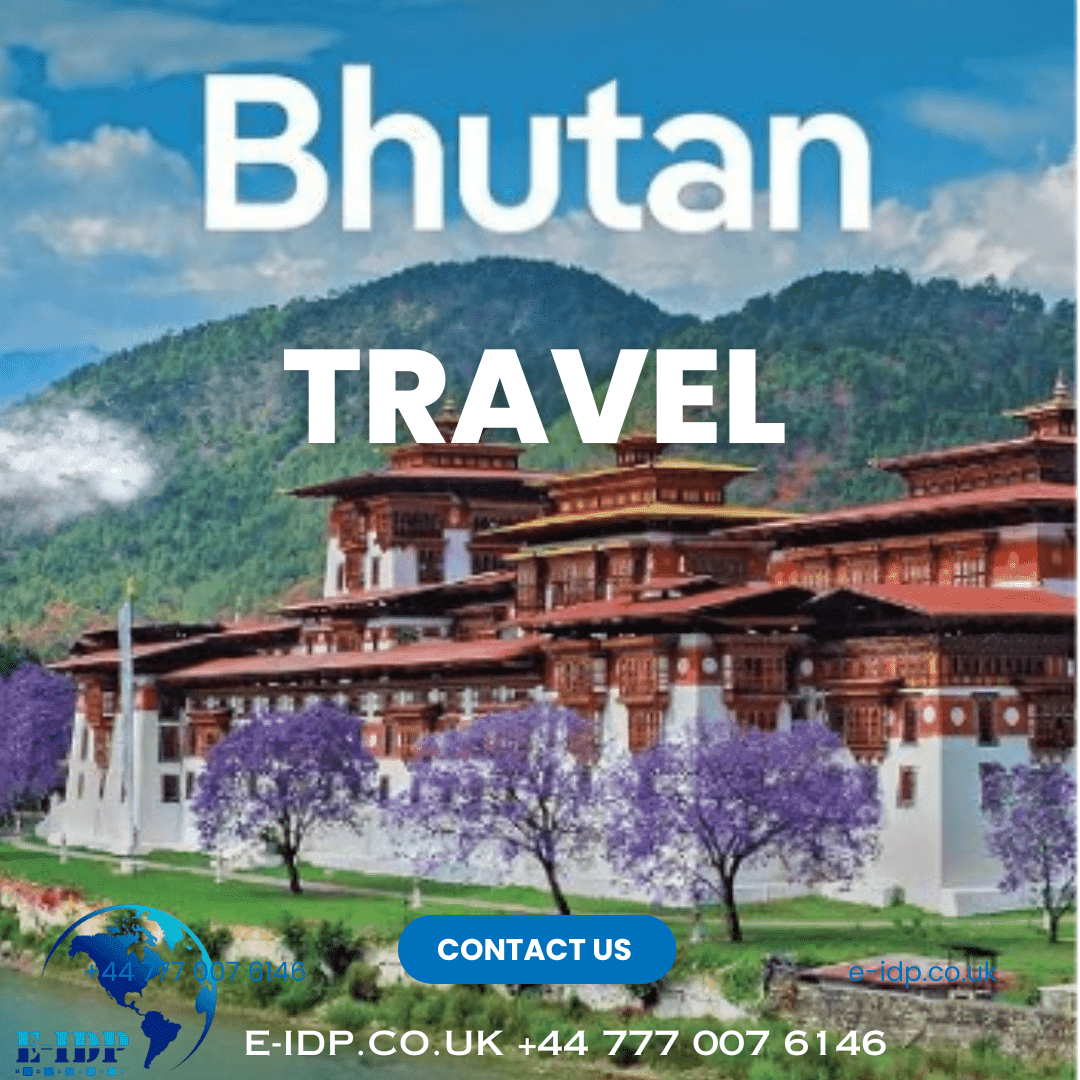
Most visitors begin their Bhutan journey in Paro, home to the international airport and some of Bhutan’s most iconic sites. The valley showcases traditional Bhutanese architecture with farmhouses scattered across terraced fields and the impressive Paro Dzong overlooking the town.
Tiger’s Nest Monastery (Taktsang) clings to a cliff face 900 meters above the valley floor, creating Bhutan’s most photographed sight. Legend says Guru Rinpoche flew here on a tigress’s back in the 8th century and meditated in a cave. The hike to Tiger’s Nest takes 4-6 hours round trip, climbing through pine forests to the monastery. The spectacular setting and spiritual significance make this trek essential despite the challenging ascent.
Paro Dzong (Rinpung Dzong) dominates the valley as a massive fortress-monastery housing both monastic and administrative functions. The traditional architecture, beautiful courtyards, and valley views make it worth exploring. The dzong hosts Paro Tshechu, one of Bhutan’s most important religious festivals.
The National Museum occupies an ancient watchtower above Paro Dzong, displaying Bhutanese art, artifacts, textiles, and natural history. Paro’s walkable town center offers shops, restaurants, and traditional architecture.
Thimphu
Bhutan’s capital and largest city (population around 100,000) blends tradition with modernity. Thimphu lacks traffic lights, with a policeman directing traffic at the main intersection. The city sprawls along a valley with government buildings, shops, monasteries, and residential areas.
Tashichho Dzong serves as the seat of government and summer residence of the central monastic body. The impressive fortress opens to visitors in the early evening, revealing beautiful courtyards, temples, and traditional architecture. The dzong is illuminated at night, creating dramatic photos.
The National Memorial Chorten, built in 1974 to honor the third king, draws locals who circumambulate the white stupa throughout the day, spinning prayer wheels and reciting mantras. Joining this kora (circumambulation) offers insight into daily Buddhist practice.
Buddha Dordenma, a massive golden Buddha statue overlooking Thimphu from the mountains, contains over 100,000 smaller Buddha statues inside. The monument and viewpoint provide excellent city vistas.
The Weekend Market (Friday-Sunday) gathers farmers and merchants selling vegetables, cheese, dried fish, textiles, and household goods. The authentic local market creates wonderful cultural immersion and photography opportunities.
Punakha Valley
Punakha served as Bhutan’s capital until 1955 and remains the winter residence of the central monastic body. The valley sits at a lower elevation than Paro and Thimphu, creating a warmer, almost subtropical climate.
Punakha Dzong, arguably Bhutan’s most beautiful dzong, sits at the confluence of two rivers, connected to land by an arched wooden bridge. The stunning setting, intricate woodwork, and historical significance (including coronations and royal weddings) make this essential viewing. Purple jacaranda trees bloom around the dzong in spring, adding to its beauty.
The Suspension Bridge near Punakha Dzong spans the river with prayer flags strung its entire length. Walking across provides excellent dzong views and river valley vistas.
Khamsum Yulley Namgyal Chorten requires a pleasant walk through rice fields and villages followed by a hillside climb. The four-story chorten features beautiful paintings and carvings, while the hilltop location offers panoramic valley views.
Bumthang Valley
Bumthang represents Bhutan’s spiritual heartland, comprising four valleys at around 2,600-2,800 meters elevation. The region holds some of Bhutan’s oldest temples and monasteries, with numerous religious sites and festivals.
Jambay Lhakhang, dating to the 7th century, ranks among Bhutan’s oldest temples. According to legend, it’s one of 108 temples built in a single day by Tibetan King Songtsen Gampo to pin down a demoness.
Kurjey Lhakhang contains the body print of Guru Rinpoche preserved in rock, making it a significant pilgrimage site. The temple complex includes three separate temples and a large chorten.
Bumthang’s valleys offer excellent walking between villages, temples, and farmhouses. The region is known for producing Bhutan’s best honey, cheese, and Red Panda beer. Bumthang requires a full day’s drive from Paro/Thimphu but rewards the journey with authentic rural Bhutanese life.
Phobjikha Valley
This glacial valley on the western slopes provides winter habitat for endangered black-necked cranes migrating from Tibet (November-March). The wide, flat valley floor, rare in mountainous Bhutan, creates beautiful open vistas.
Gangtey Monastery overlooks the valley from a hilltop, serving as the region’s spiritual center. The valley nature trail winds through the wetlands and farming communities, offering crane spotting opportunities and peaceful walking.
Phobjikha represents rural Bhutan at its most scenic, with traditional farmhouses, potato fields, and the dramatic seasonal arrival of the cranes celebrated with a special festival each November.
Top Experiences and Activities in Bhutan
Attending a Tshechu Festival
Tshechus are annual religious festivals held in dzongs and monasteries throughout Bhutan, featuring masked dances, colorful costumes, and deep spiritual significance. Each dance tells Buddhist stories and teachings, performed by monks or laypeople in elaborate costumes and masks.
Major tshechus include Paro Tshechu (spring), Thimphu Tshechu (autumn), and Punakha Tshechu (winter). Festival dates vary yearly based on the lunar calendar. Attending a tshechu provides unforgettable cultural immersion as locals dress in their finest traditional clothing to watch the sacred dances.
The final day often features the unfurling of a huge thangka (religious painting), blessed by monks and considered to bring spiritual merit to those who view it.
Trekking in Bhutan
Bhutan offers exceptional trekking through pristine mountain landscapes. Trails pass remote monasteries, cross high passes adorned with prayer flags, and traverse forests virtually untouched by modern development.
Druk Path Trek (4-6 days) between Paro and Thimphu provides a relatively accessible introduction to Bhutanese trekking, reaching around 4,200 meters. The trail passes mountain lakes, offers Himalayan views, and includes camping under the stars.
Snowman Trek (around 25 days) ranks among the world’s most challenging treks, crossing multiple passes over 5,000 meters through remote regions of Bhutan. Only experienced trekkers in excellent physical condition should attempt this epic journey.
Jomolhari Trek (7-9 days) heads to the base of sacred Mount Jomolhari (7,326m) on the Tibetan border. The stunning mountain scenery, high-altitude camping, and possible wildlife sightings (blue sheep, Himalayan griffon vultures) create memorable adventures.
All trekking requires a licensed guide, support staff, and arranged logistics through your tour operator. The trekking season runs primarily autumn (September-November) and spring (March-May).
Archery Watching or Participating
Archery represents Bhutan’s national sport, and competitions occur regularly, especially during festivals and celebrations. Bhutanese archery uses traditional bamboo bows or modern compounds, with targets placed 145 meters apart.
Watching a match reveals the sport’s social nature, with teams performing dances and songs to celebrate hits or distract opponents. Some tour operators arrange archery lessons using traditional equipment, providing fun cultural interaction.
Hot Stone Baths
Traditional Bhutanese hot stone baths (dotsho) involve wooden tubs filled with water heated by river stones fired in an open flame until glowing. The hot stones transfer heat to the water and release minerals believed to have medicinal properties.
Herbs like artemisia are added for fragrance and healing benefits. Many hotels and farmstays offer this traditional bathing experience, perfect for soothing tired muscles after hiking.
Meditation and Spiritual Experiences
Bhutan’s Buddhist culture creates opportunities for spiritual practices. Some tour operators arrange meditation sessions at monasteries, teachings with monks, or participation in prayer ceremonies. The peaceful environment and deeply spiritual atmosphere support contemplation and mindfulness.
Certain monasteries accept visitors for longer stays and meditation retreats, requiring advance arrangement through your tour operator.
Bhutanese Culture and Etiquette
Traditional Dress
Bhutanese citizens wear traditional dress in formal settings, government offices, and religious sites. Men wear the gho, a knee-length robe tied with a belt. Women wear the kira, an ankle-length dress with a jacket.
Visitors aren’t required to wear traditional dress but should dress modestly when visiting religious sites. Remove shoes before entering temples and dzongs. Avoid shorts, sleeveless tops, and revealing clothing at religious sites.
Religious Customs
Always walk clockwise around religious monuments (chortens, temples, prayer wheels). Don’t point your feet at religious images or people. Ask permission before photographing inside temples or monasteries, and never photograph monks without asking.
Prayer flags carry prayers and mantras into the wind and shouldn’t be touched, stepped on, or removed. Their fading represents the impermanence of all things, so leaving them to decay naturally shows respect.
Social Customs
Bhutanese people are generally reserved but warm once engaged. Greetings involve a slight bow or nod rather than handshakes. Accept and give items with both hands as a sign of respect.
Remove your shoes when entering homes and certain buildings. The cultural concept of “lam” (honor, reputation) is important, so avoid confrontation or behavior that causes others to lose face.
Doma (Betel Nut)
Many Bhutanese chew doma, a mix of betel nut, lime paste, and spices wrapped in betel leaf. This traditional stimulant is deeply embedded in social customs. You may be offered doma as a sign of hospitality. The bright red spit stains visible on streets come from doma chewing.
Bhutanese Food and Drink
Traditional Dishes
Ema Datshi, Bhutan’s national dish, combines fiery chili peppers with cheese sauce, typically served over red rice. The dish can be extremely spicy for unaccustomed palates. Variations include kewa datshi (potato and cheese) and shamu datshi (mushroom and cheese).
Momos (dumplings filled with meat or vegetables) appear throughout Bhutan, showing Tibetan culinary influence. They’re steamed or fried and served with chili sauce.
Red Rice, grown in the Paro and Bumthang valleys, accompanies most meals. This nutritious semi-milled rice has a nutty flavor and slightly chewy texture.
Jasha Maru (spicy chicken) and Phaksha Paa (pork with red chilies) represent popular meat dishes. Bhutanese cuisine uses chilies as a vegetable rather than just a spice, making most traditional dishes quite hot.
Drinks
Suja (butter tea), made from tea, butter, and salt, provides warmth at high altitudes. The savory, rich drink takes getting used to for Western palates but serves an important nutritional and social function.
Ara (locally brewed alcohol) comes in various forms including distilled ara (clear and strong) and beer-like ara. Each region produces its own versions.
Bhutanese beer brands include Druk 11000 and Red Panda, both decent lagers perfect after a day’s hiking.
Dining in Bhutan
Tour packages include most meals, typically served buffet-style at hotels featuring both Bhutanese and international dishes. Tourist restaurants usually offer milder versions of Bhutanese food alongside Indian, Chinese, and Continental options.
In Thimphu and Paro, several restaurants serve excellent food in pleasant settings. Your guide can recommend authentic local eateries or arrange farmhouse meals providing insight into rural Bhutanese life.
Accommodation in Bhutan
Hotel Standards and Types
Bhutanese accommodation ranges from basic guesthouses to luxury resorts. Hotels are typically classified by operators as standard, deluxe, or luxury, though these designations aren’t officially regulated.
Standard/Budget Hotels provide clean, comfortable rooms with basic amenities. Buildings often feature traditional architectural elements but with simpler furnishings and fewer facilities.
Deluxe/Mid-Range Hotels offer more spacious rooms, better amenities, restaurant facilities, and possibly spas or additional services. Traditional design elements are more prominent.
Luxury Hotels and Resorts provide exceptional service, stunning settings, fine dining, spas, and beautifully appointed rooms blending Bhutanese aesthetics with modern comfort. Luxury properties include brands like Aman, Como Uma, Six Senses, and several excellent locally owned resorts.
Farmstays and Homestays
Some operators arrange farmstay experiences where you stay with Bhutanese families in traditional homes. These authentic experiences include home-cooked meals, participation in daily activities, and genuine cultural exchange. Accommodation is simple but the hospitality and insight into Bhutanese life are rich.
Camping During Treks
Trekking involves camping in wilderness areas. Trekking crews set up camps, provide meals, and manage all logistics. Camping equipment is carried by porters or pack animals. While basic, the camps allow access to Bhutan’s remote mountain regions.
Health and Safety in Bhutan
Altitude Considerations
Much of Bhutan sits above 2,000 meters, with popular destinations at 2,300-2,800 meters. Treks often cross passes above 4,000-5,000 meters. Altitude sickness can affect anyone regardless of fitness level.
Symptoms include headache, nausea, fatigue, and difficulty sleeping. Ascend gradually, stay hydrated, avoid alcohol initially, and inform your guide immediately if symptoms develop. Serious altitude sickness requires descent to lower elevation.
Most valley sightseeing itineraries allow gradual acclimatization. Trekking itineraries should include acclimatization days. Consult your doctor about altitude medication like Diamox if planning high-altitude treks.
General Health
Bhutan poses few serious health risks. Tap water isn’t safe to drink, so use bottled or filtered water. Tour packages typically provide safe drinking water. Basic hygiene precautions prevent most stomach issues.
Vaccinations for hepatitis A, typhoid, and tetanus are recommended. Consult a travel health clinic several months before departure. Comprehensive travel insurance covering medical evacuation is essential given the remote location and limited medical facilities.
Medical facilities in Thimphu and Paro can handle basic issues, but serious medical problems require evacuation to Thailand or India.
Safety and Security
Bhutan is extremely safe with very low crime rates. Violent crime against tourists is virtually unknown. Standard precautions regarding valuables apply, but travelers generally feel very secure throughout the country.
The main risks involve trekking accidents, altitude sickness, and the challenging mountain roads. Your guide and driver are trained professionals, but mountain driving involves narrow roads, steep drops, and occasional rockfalls. Motion sickness medication may be useful for those prone to car sickness.
Packing for Bhutan
Clothing
Layer-able clothing works best for Bhutan’s variable conditions. Pack:
- Warm jacket for evenings and higher elevations
- Lightweight, moisture-wicking layers
- Long pants and modest tops for temple visits
- Comfortable walking shoes with good grip
- Warmer clothes for winter visits or high-altitude treks
- Rain jacket year-round (essential during monsoon)
- Hat and sunglasses for sun protection
For trekking, your operator provides equipment lists including technical gear.
Essential Items
- Sunscreen (high SPF) and lip balm
- Insect repellent (especially for summer/monsoon)
- Personal medications and basic first aid
- Camera and extra batteries (cold drains batteries quickly)
- Power adapter (India-style three-pin plugs)
- Reusable water bottle
- Hand sanitizer and wet wipes
- Flashlight or headlamp
- Modest swimwear (for hotel pools and hot stone baths)
Sample Bhutan Itineraries
Classic Bhutan (7 Days)
Day 1: Arrive Paro, acclimatize, visit Paro town and Kyichu Lhakhang Day 2: Hike to Tiger’s Nest Monastery, explore Paro Dzong Day 3: Drive to Thimphu via Dochula Pass, visit National Memorial Chorten Day 4: Thimphu sightseeing (Buddha Dordenma, Tashichho Dzong, weekend market if applicable) Day 5: Drive to Punakha, visit Punakha Dzong and suspension bridge Day 6: Return to Paro via Dochula Pass, visit National Museum Day 7: Depart Paro
Extended Bhutan (10-12 Days)
Add to the classic itinerary:
- Extra day in Punakha for Khamsum Yulley Chorten hike
- 2-3 days in Bumthang Valley exploring spiritual heartland
- Day in Phobjikha Valley (black-necked crane season)
Trekking Focus (12-16 Days)
- 2 days Paro valley acclimatization and sightseeing
- 4-6 day Druk Path Trek
- 2 days Thimphu and Punakha exploration
- Buffer days for weather/rest
Festival-Focused Itinerary
Build your itinerary around major festivals:
- 2-3 days centered on Paro, Thimphu, or Punakha Tshechu
- Additional days exploring nearby valleys and attractions
- Timing depends on festival dates (check lunar calendar)
Choosing a Bhutan Tour Operator
Your tour operator determines your Bhutan experience quality. Research operators carefully:
Bhutanese Tour Operators: Licensed local companies based in Bhutan offer direct booking, often with competitive pricing. Examples include Bhutan Travel Bureau, Etho Metho Tours, and many others.
International Partners: Many travelers book through operators in their home country who partner with Bhutanese companies. This adds cost but may provide easier communication and payment options.
Consider These Factors:
- Reviews and testimonials from recent travelers
- Responsiveness to inquiries
- Flexibility in customizing itineraries
- Quality of guides (experienced, knowledgeable, good English)
- Hotel standards and locations
- Transparency in pricing
- Group size (private tours vs. joining groups)
Request detailed itineraries and cost breakdowns. Clarify what’s included beyond the basics. Many operators accommodate special interests like photography, birding, textiles, or spiritual practices.
Sustainable and Responsible Travel in Bhutan
Bhutan’s tourism model emphasizes sustainability, but individual travelers can enhance positive impacts:
- Respect cultural sites and religious customs
- Support local businesses when possible
- Minimize plastic use (bring a reusable water bottle)
- Stay on marked trails to prevent erosion
- Don’t disturb wildlife or pick plants
- Ask permission before photographing people
- Tip guides and drivers appropriately (discuss norms with your operator)
- Consider extending your stay to spread economic benefits
- Share positive experiences to support Bhutan’s tourism model
Is Bhutan Right for You?
Bhutan suits travelers seeking cultural depth, natural beauty, and spiritual experiences. The structured tourism model works well for those who appreciate having logistics managed, though it won’t appeal to independent backpackers seeking complete freedom.
The cost places Bhutan beyond some travelers’ budgets, though the included services provide good value. Consider that everything except alcohol and souvenirs is covered in your package cost.
Bhutan rewards visitors who approach it with openness to Buddhist culture, patience with mountain travel, and appreciation for authenticity over luxury (though luxury options exist). Those seeking party scenes, beach relaxation, or shopping destinations should look elsewhere.
For travelers willing to invest financially and emotionally, Bhutan offers transformative experiences. The stunning landscapes, preserved culture, and warm people create journeys that resonate long after returning home.
An International Driving Permit (IDP) allows Indian citizens to legally drive a motor vehicle in foreign countries that are signatories to the 1949 Geneva Convention. For Indian residents planning to travel abroad, whether for leisure, business, or relocation, having an IDP is often a mandatory document. This comprehensive guide will explain how to apply for an International Driving Permit in India, required documents, validity, fees, and more.
What is an International Driving Permit (IDP)?
An International Driving Permit is an official multilingual translation of your Indian driving license. It is not a standalone license but acts as a supporting document, proving that you hold a valid Indian driving license. It is accepted in over 150 countries, including the United States, United Kingdom, Australia, Germany, France, UAE, and many more.
Who Can Apply for an IDP in India?
To apply for an International Driving Permit in India, you must meet the following eligibility criteria:
-
All People can apply worldwide.
-
Must have a valid driving license.
- You must be above 18 years of age.
Documents Required for International Driving Permit Application
Here is a detailed list of documents that must be submitted when applying for an IDP:
-
Valid Driving License.
-
Passport-Sized Photographs.
How to Apply for International Driving Permit in India (Step-by-Step Process)
Offline Application Procedure
-
Visit the RTO (Regional Transport Office) from where your license was issued.
-
Collect Form 4-A, Form 1, and Form 1-A from the RTO or download from the official Parivahan website.
-
Fill out the forms carefully and attach the necessary documents.
-
Submit the application along with the applicable IDP fee (generally ₹1,000).
-
Undergo a medical examination, if required.
-
Biometric verification and photograph may be taken at the RTO.
-
Once processed, the IDP is usually issued within 3 to 5 working days.
Online Application via Parivahan Sewa Portal
-
Visit the official Parivahan Sewa Portal.
-
Click on “Apply Now”.
-
Fill up all details required.
-
Upload scanned copies of all required documents.
-
Pay the required IDP fee via the online payment gateway.
International Driving Permit Fees in India
The official fee for IDP issuance in India varied according to years and shipping method. you will see the total fees after filling all the details required.
Validity of the International Driving Permit
An Indian-issued IDP is valid for one & Three years from the date of issue or until the expiry of your Indian driving license, whichever comes first. After expiry, you will need to reapply for a fresh IDP, which requires the same documents and procedures.
Renewal or Re-Issuance of IDP
Earlier, an IDP could only be issued in India. But as of recent government amendments, Indians living abroad can now also renew their IDP online through the Indian Embassies/Consulates in the foreign country.
The documents required for IDP renewal are:
-
Valid driving license.
-
Fees payable via gateway.
Renewed IDP is delivered to the applicant via speed post.
Countries That Accept the Indian International Driving Permit
Over 150 countries accept the Indian IDP, including but not limited to:
-
USA
-
UK
-
Germany
-
France
-
Australia
-
Canada
-
Italy
-
Netherlands
-
UAE
-
South Africa
-
Singapore
-
New Zealand
Always confirm with the destination country’s embassy or official transport department before travel to avoid any inconvenience.
Key Things to Remember Before Applying for IDP
-
IDP is not valid without a valid driving license.
-
IDP cannot be issued for heavy load vehicles.
-
Some countries require additional documentation – always check local laws.
-
It is advisable to apply at least 1-2 weeks before travel.
-
Carry both your IDP and original driving license when driving abroad.
FAQs – International Driving Permit India
Q1. Can I apply for an IDP without a passport?
Yes.
Q2. How long does it take to get the IDP?
Typically, it is issued within 3 to 5 working days, depending on the System.
Q3. Is IDP mandatory for all countries?
Yes, some countries accept Indian licenses, but many require an IDP. Always verify before traveling.
Q4. Can I drive in the USA with an Indian IDP?
Yes, most US states accept the Indian IDP for up to one year.
How to obtain an international driving permit
The process of obtaining an international driving permit directly from an office can be quite challenging and time-consuming. The payment methods involved can also be complex. Therefore, it is recommended to consider applying for an international driving permit. The application process only takes around 10 to 15 minutes online, making it a more efficient option for getting your international driving permit. Get An IDP For Your Next Journey.
The necessary details required for the application of an International driving permit include:
– Full Name
– Email & Phone Number
– Current Address
– Place of Birth
– National Driver’s License Number
– National Driver’s License Issued Date & Expiry Date
– Picture of Driver’s License & Your Head Shot Photo for Your IDP

Conclusion
Bhutan represents travel at its most meaningful, combining spectacular natural beauty with deep cultural preservation. From the iconic Tiger’s Nest clinging to cliff faces to remote valley monasteries where monks maintain centuries-old traditions, from colorful festival dances to peaceful walks through terraced farmland, Bhutan delivers experiences that touch both heart and mind.
The kingdom’s deliberate approach to tourism ensures visits support conservation and communities while maintaining authentic experiences. Though travel here requires more planning and investment than many destinations, Bhutan rewards visitors with journeys that transcend ordinary tourism to become genuine adventures in one of the world’s most special places.
Whether you’re trekking through Himalayan wilderness, learning about Gross National Happiness principles, or simply absorbing the peaceful Buddhist atmosphere, Bhutan invites you to slow down, look deeply, and discover what makes this small kingdom such a profound destination. Start planning your journey to the Land of the Thunder Dragon and prepare for travel that matters.