The Ultimate Travel Guide to Guernsey: Channel Islands Hidden Gem
Guernsey, a captivating island in the English Channel, combines British charm with French flair to create a unique destination unlike anywhere else in Europe. Just 30 miles from the French coast but fiercely loyal to the British Crown, this self-governing dependency offers dramatic clifftop walks, pristine beaches, fascinating World War II history, and a surprisingly mild climate. This ultimate Guernsey travel guide reveals everything you need to plan an unforgettable visit to this Channel Island treasure.
Why Visit Guernsey?
Guernsey surprises visitors with its distinct character and diverse attractions packed into just 25 square miles. The island boasts over 27 beautiful beaches, from sweeping sandy bays to secluded rocky coves. History enthusiasts discover layers of stories, from medieval castles to German occupation sites that transformed Guernsey into a fortress during WWII.
The island’s microclimate brings more sunshine hours than much of the UK, with mild winters and warm summers perfect for coastal exploration. Literary fans follow in the footsteps of Victor Hugo, who lived in exile here and wrote Les Misérables in his Guernsey home. Foodies savor exceptional seafood, locally produced dairy, and the island’s thriving restaurant scene that punches well above its weight.
Unlike busier tourist destinations, Guernsey maintains an unhurried pace where you can genuinely relax. The compact size means you’re never far from stunning scenery, yet the island never feels crowded even during peak season.
When to Visit Guernsey: Best Time and Weather
Guernsey enjoys one of the UK’s mildest climates thanks to the Gulf Stream’s warming influence. Summer months from June to September offer the best weather, with average temperatures between 17-20°C (63-68°F) and the most sunshine hours. Sea temperatures reach a pleasant 17-18°C (63-64°F) by August, perfect for swimming.
July and August represent peak tourist season when accommodation prices rise and beaches fill with families. Book well ahead if visiting during school holidays. September often provides ideal conditions with warm weather, fewer crowds, and still-pleasant sea temperatures.
Spring, particularly May and early June, brings beautiful wildflowers across the island’s coastal paths and countryside. Temperatures hover around 12-15°C (54-59°F), comfortable for walking though cooler for beach days. Autumn offers mild weather through October, with dramatic seas and golden light that photographers love.
Winter remains surprisingly temperate with average temperatures around 8-10°C (46-50°F). While too cold for beach lounging, winter brings excellent storm watching opportunities, festive events, and the lowest accommodation rates. Many restaurants and attractions maintain year-round operations.
Getting to Guernsey
By Air
Guernsey Airport connects to numerous UK airports and some European destinations. Multiple daily flights operate from London Gatwick (1 hour flight time), with regular services from other London airports including Heathrow, Stansted, and City Airport. Regional UK airports including Manchester, Southampton, Birmingham, and Bristol offer direct connections.
Aurigny, Guernsey’s own airline, operates most routes alongside British Airways, easyJet, and Blue Islands. Book flights early for better prices, especially during summer and bank holidays when demand peaks.
By Sea
Condor Ferries operates passenger and vehicle ferry services from Poole (3 hours conventional ferry, 2 hours fast ferry) and Portsmouth (7 hours overnight). The ferry option suits travelers bringing cars or seeking a more leisurely arrival. Cabins are available on longer crossings.
Ferry crossings can be affected by weather, particularly the fast ferries which may be cancelled in rough seas. The conventional ferries are more reliable in poor conditions.
Getting Around Guernsey
Hiring a Car
Renting a car provides maximum flexibility for exploring Guernsey independently. The island’s maximum speed limit of 35mph (25mph in many areas) means journeys are unhurried and safe. Roads are narrow with high hedges limiting visibility, so cautious driving is essential.
Major car hire companies operate from the airport and St Peter Port. Book ahead during busy periods. Driving is on the left, and fuel is significantly cheaper than the UK mainland due to lower taxes.
Public Buses
Guernsey’s comprehensive bus network covers most areas of the island. Single fares cost just £1 per journey regardless of distance, making buses extremely economical. Buses run frequently during summer but less often in winter and on Sundays.
Route maps and timetables are available at the bus terminus in St Peter Port and online. Most buses pass through the capital, so transfers are often necessary for cross-island journeys.
Cycling and Walking
Cycling is increasingly popular with several hire shops offering standard bikes, electric bikes, and family options. Dedicated cycle routes and quiet lanes make cycling enjoyable, though the island’s hills can be challenging. The Ruette Tranquille (quiet lanes) network provides traffic-free routes through scenic areas.
Walking remains an excellent way to experience Guernsey, particularly the spectacular cliff paths. The island is small enough that determined walkers can explore much of it on foot, though buses help reach distant starting points.
Taxis
Taxis operate from ranks in St Peter Port and the airport. They’re metered and reasonably priced for short journeys but expensive for island-wide travel. Pre-book for airport transfers and evening collection from restaurants.
Where to Stay in Guernsey
St Peter Port
The capital offers the most accommodation variety, from luxury hotels to budget guesthouses. Staying centrally puts you within walking distance of restaurants, shops, museums, and the harbor. The Old Government House Hotel provides five-star luxury in an elegant Georgian building, while smaller hotels like Duke of Richmond offer character and comfort at mid-range prices.
St Peter Port works well for visitors without cars, as buses depart from here and many attractions sit within walking distance. However, you’ll need transport to reach beaches and quieter parts of the island.
Coastal Hotels and Self-Catering
Beach hotels provide direct access to sand and sea. The Bella Luce Hotel near the south coast occupies a beautiful manor house with gardens and easy beach access. Cobo Bay Hotel on the west coast offers stunning sunset views and beachfront position.
Self-catering cottages and apartments scattered across the island suit families and longer stays. Options range from modern apartments to traditional granite cottages. Popular locations include the west coast villages of Cobo and Vazon, and the quieter lanes of the north and east coasts.
Boutique and Country Hotels
Several boutique hotels combine luxury with intimacy. La Barbarie Hotel occupies a 15th-century manor house in peaceful countryside, offering characterful rooms and excellent dining. Farmhouses converted to boutique accommodation provide rural charm with modern comforts.
Top Attractions and Things to Do in Guernsey
Castle Cornet
This impressive fortress guards St Peter Port harbor and spans 800 years of military history. The castle houses five museums covering maritime history, the Royal Guernsey Militia, and the German occupation. Daily at noon (weather permitting), the noon gun fires in a tradition dating back centuries.
Allow 2-3 hours to explore the castle thoroughly. The ramparts offer superb harbor views, and the medieval gardens recreate period planting. The site is reached via a breakwater walk from the harbor, accessible only at certain tide times.
Victor Hugo’s House (Hauteville House)
The French literary giant lived in this eccentric house from 1856 to 1870, writing many works here including Les Misérables and Toilers of the Sea. Hugo designed much of the interior himself, creating a unique home filled with his personality and creativity.
Guided tours (booking essential) lead visitors through the house from servants’ quarters to Hugo’s spectacular top-floor writing room with panoramic sea views. The house offers fascinating insights into the writer’s life, work, and surprisingly modern design sensibility.
German Occupation Museum and Underground Hospital
These sites document Guernsey’s experience under German occupation from 1940-1945. The German Occupation Museum displays authentic artifacts, photographs, and recreated scenes showing daily life during those difficult years. Personal stories bring history to life with moving testimonies from islanders who endured the occupation.
The German Underground Hospital, carved into hillside by forced labor, stands as a haunting monument to wartime suffering. Tunnels and wards extend deep underground, now preserved as a museum. The site remains cold even in summer, so bring warm clothing.
Sausmarez Manor
This beautiful medieval manor house has been inhabited by the same family for over 800 years. Guided tours reveal the house’s history and impressive art collection including works by Joshua Reynolds. The subtropical gardens feature exotic plants, a sculpture trail, and peaceful woodland walks.
The estate also includes a pitch-and-putt course, children’s play areas, and artisan workshops in former farm buildings. Regular events throughout summer include classic car shows and craft fairs.
Little Chapel
This charming miniature church ranks among Guernsey’s most photographed attractions. Brother Deodat, a French monk, began building it in 1914 and decorated every surface with shells, pebbles, and colorful china pieces. The chapel seats about eight people at a squeeze, making it one of the world’s smallest consecrated churches.
The site is free to visit and worth combining with other west island attractions. The intricate decoration requires close inspection to appreciate the artistry involved.
Best Beaches in Guernsey
Vazon Bay
This long, wide beach on the west coast ranks among Guernsey’s most popular. At low tide, vast sandy expanses perfect for beach games and sandcastle building are revealed. Higher tides bring waves that attract surfers and bodyboarders.
Facilities include cafes, toilets, and ample parking. The beach faces west for spectacular sunsets. During summer, lifeguards patrol the beach making it family-friendly and safe for swimming.
Cobo Bay
Just north of Vazon, Cobo offers a quieter alternative with equally beautiful sand. Rock pools at either end of the beach fascinate children at low tide. The Rockmount beach cafe serves excellent food with sea views.
Cobo suits families wanting a traditional beach day without excessive crowds. Parking is available behind the beach, and the gentle slope makes it accessible for all ages.
Fermain Bay
This smaller, more secluded bay on the east coast requires descending a steep valley path or taking the seasonal ferry from St Peter Port. The effort rewards visitors with a beautiful sheltered beach of sand and shingle surrounded by wooded cliffs.
Fermain cafe serves good food and drinks. The clear waters and rocky areas make snorkeling worthwhile. The bay’s sheltered position creates calm conditions even when other beaches face rough seas.
Petit Bot Bay
Nestled beneath dramatic cliffs on the south coast, Petit Bot provides a picturesque setting with a mix of sand and pebbles. The valley behind the beach offers pleasant walks, and at low tide, caves in the cliffs can be explored (carefully and tide-aware).
The beach cafe operates during season. Parking is limited, so arrive early during busy periods or use the coastal footpath to walk from nearby beaches.
Shell Beach (Herm Island)
While technically on neighboring Herm Island, Shell Beach deserves mention as one of the Channel Islands’ finest beaches. The name accurately describes the countless tiny shells that form the sparkling white sand. The beach faces east with shallow, clear water perfect for swimming and paddling.
Herm is a 20-minute ferry ride from St Peter Port. The car-free island offers traffic-free peace and several other lovely beaches plus coastal walks.
Coastal Walking in Guernsey
Guernsey’s cliff paths provide some of the UK’s finest coastal walking. The entire island can be circumnavigated via clifftop paths offering constantly changing views, wildlife spotting opportunities, and access to secluded bays.
South Coast Cliff Path
The most dramatic section runs along the south coast from Pleinmont Point to Jerbourg Point. Towering cliffs, natural sea arches, and views extending to Jersey and France on clear days make this stretch spectacular. The path passes several beaches and historic sites including the Icart Point lookout and La Moye Point German observation tower.
Allow 3-4 hours to walk the full south coast section, or break it into shorter segments using bus connections.
West Coast Route
The west coast path from Pleinmont to L’Ancresse offers gentler terrain with beautiful beaches, rock pools, and wide vistas. This section includes Vazon Bay, Cobo Bay, and the rocky headlands between. Wildlife enthusiasts spot seabirds, and lucky visitors might see dolphins offshore.
East Coast and North
The east coast features wooded valleys descending to small bays, creating varied scenery. The north coast tends toward low cliffs and sandy beaches with extensive rock platforms at low tide. The quieter northern sections see fewer walkers, offering peaceful rambling.
Day Trips to Nearby Islands
Herm Island
This tiny, traffic-free island lies just three miles from Guernsey with regular ferry services from St Peter Port (20 minutes). Herm stretches about 1.5 miles long and half a mile wide, easily explored on foot in a few hours.
Shell Beach attracts most visitors with its stunning beauty and shallow swimming. The island offers several other beaches, coastal walks, a pub, hotel restaurant, and small shops. Herm provides a perfect day trip for families and anyone seeking car-free tranquility.
Sark
Sark maintains a time-warp existence where cars are banned and horse-drawn carriages and tractors provide transport alongside bicycles and walking. The island splits into Great Sark and Little Sark connected by a dramatic narrow isthmus called La Coupée.
Ferries from Guernsey take around 50 minutes. Most visitors hire bikes to explore, though walking works well for the fit. Sark’s dark sky designation makes it exceptional for stargazing. The island offers hotels and restaurants for those wanting to stay overnight.
Alderney
The northernmost Channel Island has a distinct character with a significant expanse of wild, undeveloped landscape. Alderney attracts birdwatchers, history buffs interested in Victorian fortifications and WWII sites, and those seeking an even quieter pace than Guernsey.
Aurigny operates flights from Guernsey (15 minutes) making Alderney feasible as a day trip, though an overnight stay allows fuller appreciation of this special island.
Food and Drink in Guernsey
Guernsey’s culinary scene has flourished in recent years with restaurants earning national recognition. Local seafood features prominently, with lobster, crab, scallops, and fresh fish caught in surrounding waters appearing on most menus.
Traditional Dishes
Guernsey Gâche, a sweet fruit bread rich with butter and fruit, remains the island’s signature bake. Most bakeries sell it, and it’s perfect for afternoon tea or breakfast. Bean Jar, a pork and bean casserole traditionally cooked overnight, represents hearty peasant cooking now found in some pubs and restaurants.
The island’s dairy industry produces exceptional milk, cream, butter, and ice cream from distinctive golden Guernsey cattle. Island ice cream is particularly rich and delicious.
Fine Dining
Le Nautique in St Peter Port offers fine dining with harbor views, focusing on fresh seafood prepared with French technique. The Pavilion at La Grande Mare hotel provides elegant dining in an Art Deco setting. Several restaurants hold AA Rosettes recognizing culinary excellence.
Casual Eating
Numerous cafes and bistros serve excellent casual meals. The Rockmount at Cobo Bay combines beachside location with quality food from breakfast through dinner. Mora restaurant and bar in St Peter Port offers trendy dining and cocktails. Traditional pubs serve reliable food alongside local ales from Randalls Brewery.
Local Produce
Farmers’ markets operate regularly where you can buy local vegetables, meat, preserves, and baked goods. Several farm shops sell produce directly to consumers. The climate allows market gardens to grow early potatoes, tomatoes, and other crops that command premium prices in the UK.
Shopping in Guernsey
St Peter Port provides the main shopping district with High Street brands alongside independent boutiques. The pedestrianized shopping streets include familiar chains and local businesses. Guernsey’s duty-free status means some luxury goods, alcohol, and tobacco cost less than UK mainland prices.
The harbor area features art galleries, antique shops, and gift stores perfect for browsing. Local products including pottery, jewelry, and artwork make distinctive souvenirs. Several galleries showcase work by island artists inspired by Guernsey’s landscapes and light.
Outside the capital, village shops provide essentials and local character. Garden centers and farm shops sell plants, many taking advantage of the mild climate to grow exotic species.
Practical Information for Visiting Guernsey
Money and Currency
Guernsey uses the British Pound but prints its own notes and coins alongside UK currency. Both Guernsey and UK money are accepted throughout the island. Guernsey notes and coins cannot be used in the UK, so spend them before leaving or exchange at the airport.
Credit and debit cards are widely accepted. ATMs are available in St Peter Port and larger villages.
Language
English is the primary language. Some older residents speak Guernésiais, the traditional Norman-French dialect, though it’s rarely heard in daily life. French place names and street names reflect the island’s Norman heritage.
Mobile Phones and Internet
UK mobile networks operate in Guernsey, though some providers charge roaming fees as the island isn’t part of the UK for telecommunications purposes. Check with your provider before traveling.
WiFi is available at most hotels, cafes, and restaurants. Mobile coverage is generally excellent across the island.
Healthcare
The UK and Guernsey don’t have reciprocal healthcare arrangements. UK visitors should arrange travel insurance covering medical treatment. The Princess Elizabeth Hospital in St Peter Port provides full medical services. Pharmacies operate in St Peter Port and larger villages.
Safety
Guernsey is extremely safe with very low crime rates. Standard precautions apply. The main hazards involve coastal activities. Tides can be dangerous with strong currents and rapidly rising water. Check tide times before exploring beaches, rock pools, or coastal caves. The cliff paths, while well-maintained, require care particularly in wet or windy conditions.
Sample Guernsey Itineraries
Long Weekend (3-4 Days)
Day 1: Arrive, explore St Peter Port, visit Castle Cornet Day 2: Rent a car, tour west coast beaches (Vazon, Cobo), visit Little Chapel Day 3: South coast cliff walk, afternoon at beach Day 4: Morning at Hauteville House or German Underground Hospital, depart
One Week in Guernsey
Day 1: Settle in St Peter Port, explore town and harbor Day 2: Castle Cornet, Hauteville House, waterfront dining Day 3: Hire car, tour south coast, cliff walking Day 4: Day trip to Herm Island Day 5: West coast beaches, sunset at Vazon Bay Day 6: German occupation sites, Sausmarez Manor, north coast exploration Day 7: Morning shopping or beach time, depart
Two Weeks Including Neighboring Islands
Extend the one-week itinerary with additional days for Sark (2 days/1 night), Alderney (2-3 days), more beach time, and deeper exploration of Guernsey’s quieter corners.
Is Guernsey Right for You?
Guernsey suits travelers seeking a mix of relaxation, gentle activity, and cultural interest. The island appeals to families with safe beaches and manageable size. Couples find romantic coastal walks, excellent restaurants, and beautiful sunsets. History enthusiasts discover layers of stories from medieval times through WWII.
The island’s compact nature means you won’t find wilderness or solitude like remote destinations, but you will discover peaceful moments on quiet beaches and coastal paths. Weather can be changeable even in summer, so flexibility helps.
Guernsey isn’t ideal for nightlife seekers or those wanting constant entertainment. The pace is deliberately unhurried, which suits most visitors perfectly but may frustrate those preferring more dynamic destinations. Budget travelers find Guernsey relatively expensive compared to some European destinations, though cheaper than Jersey or many UK seaside towns.
An International Driving Permit (IDP) allows Indian citizens to legally drive a motor vehicle in foreign countries that are signatories to the 1949 Geneva Convention. For Indian residents planning to travel abroad, whether for leisure, business, or relocation, having an IDP is often a mandatory document. This comprehensive guide will explain how to apply for an International Driving Permit in India, required documents, validity, fees, and more.
What is an International Driving Permit (IDP)?
An International Driving Permit is an official multilingual translation of your Indian driving license. It is not a standalone license but acts as a supporting document, proving that you hold a valid Indian driving license. It is accepted in over 150 countries, including the United States, United Kingdom, Australia, Germany, France, UAE, and many more.
Who Can Apply for an IDP in India?
To apply for an International Driving Permit in India, you must meet the following eligibility criteria:
-
All People can apply worldwide.
-
Must have a valid driving license.
- You must be above 18 years of age.
Documents Required for International Driving Permit Application
Here is a detailed list of documents that must be submitted when applying for an IDP:
-
Valid Driving License.
-
Passport-Sized Photographs.
How to Apply for International Driving Permit in India (Step-by-Step Process)
Offline Application Procedure
-
Visit the RTO (Regional Transport Office) from where your license was issued.
-
Collect Form 4-A, Form 1, and Form 1-A from the RTO or download from the official Parivahan website.
-
Fill out the forms carefully and attach the necessary documents.
-
Submit the application along with the applicable IDP fee (generally ₹1,000).
-
Undergo a medical examination, if required.
-
Biometric verification and photograph may be taken at the RTO.
-
Once processed, the IDP is usually issued within 3 to 5 working days.
Online Application via Parivahan Sewa Portal
-
Visit the official Parivahan Sewa Portal.
-
Click on “Apply Now”.
-
Fill up all details required.
-
Upload scanned copies of all required documents.
-
Pay the required IDP fee via the online payment gateway.
International Driving Permit Fees in India
The official fee for IDP issuance in India varied according to years and shipping method. you will see the total fees after filling all the details required.
Validity of the International Driving Permit
An Indian-issued IDP is valid for one & Three years from the date of issue or until the expiry of your Indian driving license, whichever comes first. After expiry, you will need to reapply for a fresh IDP, which requires the same documents and procedures.
Renewal or Re-Issuance of IDP
Earlier, an IDP could only be issued in India. But as of recent government amendments, Indians living abroad can now also renew their IDP online through the Indian Embassies/Consulates in the foreign country.
The documents required for IDP renewal are:
-
Valid driving license.
-
Fees payable via gateway.
Renewed IDP is delivered to the applicant via speed post.
Countries That Accept the Indian International Driving Permit
Over 150 countries accept the Indian IDP, including but not limited to:
-
USA
-
UK
-
Germany
-
France
-
Australia
-
Canada
-
Italy
-
Netherlands
-
UAE
-
South Africa
-
Singapore
-
New Zealand
Always confirm with the destination country’s embassy or official transport department before travel to avoid any inconvenience.
Key Things to Remember Before Applying for IDP
-
IDP is not valid without a valid driving license.
-
IDP cannot be issued for heavy load vehicles.
-
Some countries require additional documentation – always check local laws.
-
It is advisable to apply at least 1-2 weeks before travel.
-
Carry both your IDP and original driving license when driving abroad.
FAQs – International Driving Permit India
Q1. Can I apply for an IDP without a passport?
Yes.
Q2. How long does it take to get the IDP?
Typically, it is issued within 3 to 5 working days, depending on the System.
Q3. Is IDP mandatory for all countries?
Yes, some countries accept Indian licenses, but many require an IDP. Always verify before traveling.
Q4. Can I drive in the USA with an Indian IDP?
Yes, most US states accept the Indian IDP for up to one year.
How to obtain an international driving permit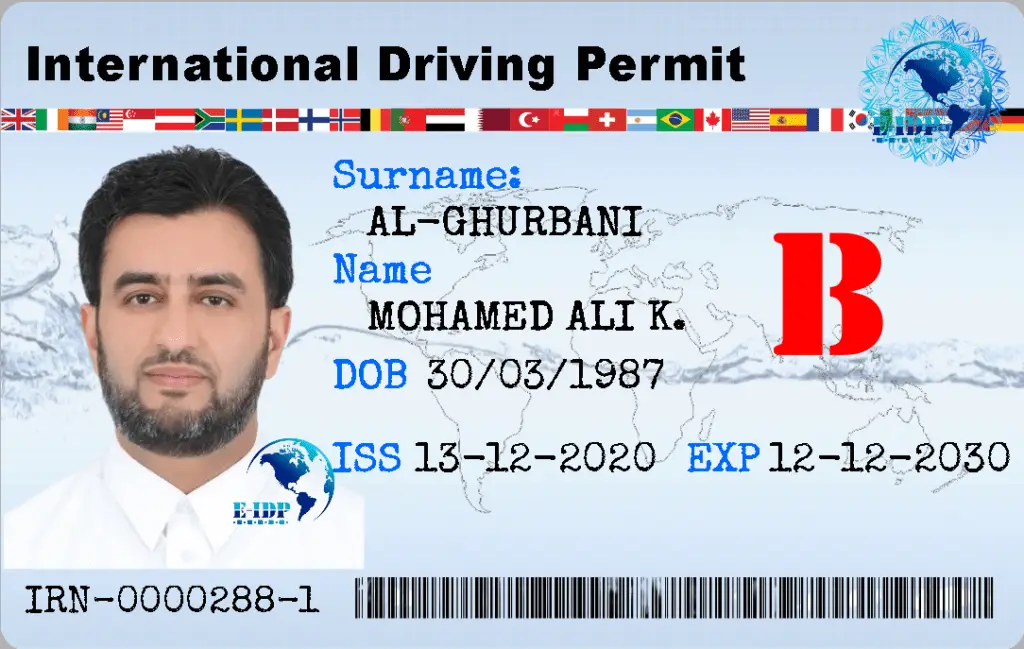
The process of obtaining an international driving permit directly from an office can be quite challenging and time-consuming. The payment methods involved can also be complex. Therefore, it is recommended to consider applying for an international driving permit. The application process only takes around 10 to 15 minutes online, making it a more efficient option for getting your international driving permit. Get An IDP For Your Next Journey.
The necessary details required for the application of an International driving permit include:
– Full Name
– Email & Phone Number
– Current Address
– Place of Birth
– National Driver’s License Number
– National Driver’s License Issued Date & Expiry Date
– Picture of Driver’s License & Your Head Shot Photo for Your IDP

Conclusion
Guernsey rewards visitors with its unique blend of British and French influences, stunning coastal scenery, fascinating history, and genuine island charm. Whether you’re walking clifftop paths with waves crashing below, exploring World War II tunnels, relaxing on pristine beaches, or savoring fresh seafood overlooking the harbor, this Channel Island gem offers memorable experiences at every turn.
The island’s manageable size means you can experience tremendous variety in a short visit, yet there’s enough depth to warrant return trips. With excellent connectivity from the UK, mild climate, and warm island hospitality, Guernsey deserves its place among Europe’s special destinations. Plan your visit to this captivating island and discover why those who know Guernsey return again and again.