
Complete Honduras Travel Guide: Caribbean Paradise & Mayan Ruins
Honduras remains one of Central America’s most underrated destinations, offering pristine Caribbean beaches, world-class diving on the Mesoamerican Barrier Reef, ancient Mayan ruins, lush cloud forests, and vibrant colonial towns. Despite its challenges, Honduras rewards adventurous travelers with authentic experiences, incredible natural beauty, and warm hospitality at prices significantly lower than neighboring Costa Rica or Belize. This comprehensive Honduras travel guide covers everything you need to plan an unforgettable journey through this diverse Central American nation.
Why Visit Honduras?
Honduras combines multiple compelling attractions that would each justify a visit on their own. The Bay Islands, particularly Roatán and Utila, offer some of the world’s most affordable scuba diving and snorkeling on spectacular coral reefs. The mainland coast features pristine beaches and the Garifuna culture’s unique Afro-Caribbean heritage.
Inland, the ancient Mayan city of Copán showcases extraordinary carved stelae and hieroglyphic staircases rivaling anything found elsewhere in the Mayan world. Colonial Comayagua and mountain villages preserve centuries-old traditions. Cloud forests in Celaque National Park and La Tigra harbor incredible biodiversity, while Lake Yojoa provides birdwatching and natural beauty.
Honduras sees far fewer tourists than Costa Rica, meaning you’ll find uncrowded beaches, authentic cultural experiences, and prices that allow budget travelers to stretch their money. The country’s challenges with safety and infrastructure require awareness, but informed travelers who take sensible precautions discover a rewarding destination offering tremendous variety.
Is Honduras Safe for Travelers?
Honduras’s safety reputation requires honest discussion. The country faces serious crime challenges, particularly gang violence in urban areas like San Pedro Sula and certain neighborhoods of Tegucigalpa. However, tourist areas including the Bay Islands, Copán Ruinas, and established beach destinations maintain better security and see relatively few incidents affecting visitors.
Staying Safe in Honduras
Follow these guidelines to minimize risks:
Tourist Areas: Stick to established tourist destinations where security is better. Roatán, Utila, Copán Ruinas, and organized tours to major attractions are generally safe with sensible precautions.
Transportation: Use registered taxis or arrange transport through your accommodation. Avoid inter-city bus travel after dark. Shuttle services between tourist destinations are safer than public buses. Domestic flights, while more expensive, provide the safest travel between regions.
Urban Areas: Exercise extreme caution in Tegucigalpa and avoid San Pedro Sula unless absolutely necessary. If you must visit these cities, stay in safer neighborhoods, use recommended transportation, and limit movement after dark.
Awareness: Don’t display expensive jewelry, cameras, or electronics unnecessarily. Keep valuables secured at your accommodation. Be aware of your surroundings and trust your instincts.
Local Advice: Ask accommodation staff about current conditions and areas to avoid. Security situations can change, and locals provide the most current information.
Many travelers visit Honduras without incident by staying informed, choosing destinations carefully, and exercising common sense. Consider travel insurance covering medical emergencies and evacuation.
Best Time to Visit Honduras
Honduras experiences distinct dry and wet seasons, with regional variations affecting travel planning.
Dry Season (November to April)
The dry season offers the best overall conditions for visiting Honduras. Rainfall is minimal, humidity levels drop, and temperatures remain warm but comfortable. This period represents peak tourist season, particularly December through March when North Americans and Europeans escape winter.
Bay Islands: Dry season brings calm seas, excellent visibility for diving (often 30+ meters), and perfect beach weather. Water temperatures stay warm year-round (26-29°C/79-84°F). Book accommodation ahead during Christmas, New Year, and Easter when islands fill with visitors.
Mainland: Dry season provides ideal conditions for exploring Copán ruins, hiking cloud forests, and visiting colonial towns. Daytime temperatures reach 25-30°C (77-86°F) in lowlands, cooler in highlands. Clear skies mean better views and more pleasant outdoor activities.
Wet Season (May to October)
The rainy season brings afternoon downpours, higher humidity, and greener landscapes. Rain typically falls in short, intense bursts rather than all-day drizzle, so mornings often remain clear for activities.
Advantages: Far fewer tourists, significantly lower accommodation prices, lush vegetation, and waterfalls at full flow. Diving remains excellent with slightly reduced visibility. Many travelers find wet season perfectly manageable.
Considerations: Some roads become impassable during heavy rains. October sees the most rainfall and highest hurricane risk (though direct hits are relatively rare). Interior regions get wetter than the Bay Islands.
Shoulder Seasons
May and November offer compromises between peak and wet season. Prices drop, crowds thin, but weather remains relatively cooperative. These months work well for flexible travelers seeking value.
Getting to Honduras
International Airports
Toncontín International Airport (Tegucigalpa – TGU): The capital’s airport is notorious for its challenging approach through mountains, limiting aircraft types and operating hours. International flights connect through Guatemala City, San Salvador, Miami, and Houston primarily.
Ramón Villeda Morales International Airport (San Pedro Sula – SAP): The country’s busiest airport offers more international connections including direct flights from major US cities (Houston, Miami, Atlanta, Dallas), Canada (Toronto), and Central American hubs.
Juan Manuel Gálvez International Airport (Roatán – RTB): Direct flights from Houston, Atlanta, Miami, Dallas, and Toronto serve the Bay Islands during peak season. This option is ideal for beach-focused trips, avoiding mainland entirely.
La Ceiba Airport (Goloson – LCE): Smaller regional airport with domestic connections and occasional international charters.
Overland Entry
Land borders connect Honduras with Guatemala (multiple crossings), El Salvador (multiple crossings), and Nicaragua (two main crossings). Overland travel suits budget travelers and those exploring multiple Central American countries. Border processes can be slow with multiple fees and bureaucracy.
Popular crossing points:
- El Florido (Guatemala) – closest to Copán Ruins
- Agua Caliente (El Salvador) – main western crossing
- El Amatillo (El Salvador) – Pacific coast route
- Guasaule (Nicaragua) – Pan-American Highway
Arriving by Cruise Ship
Roatán receives numerous cruise ships, particularly during winter. While cruises provide safe introduction to Honduras, the limited time ashore barely scratches the surface. Consider an extended stay to properly experience the island beyond tourist port shops.
Getting Around Honduras
Domestic Flights
Flying between regions saves considerable time on Honduras’s slow roads. Airlines including Aerolineas Sosa and CM Airlines connect Tegucigalpa, San Pedro Sula, La Ceiba, and Roatán. Flights are relatively affordable by international standards. Book ahead during peak season.
Ferries to Bay Islands
Regular ferries connect La Ceiba to Roatán (1 hour) and Utila (1 hour) operated by companies including Safe Way Maritime and Utila Dream Ferry. Services run multiple times daily. Seas can be rough, so take motion sickness medication if prone to seasickness. The ferry option costs less than flying and provides scenic journey.
Shuttle Services
Tourist shuttle buses connect popular destinations including Copán Ruinas, Bay Islands ferry terminals, Tela, and Lago de Yojoa. These services are safer, more comfortable, and more reliable than public buses, though more expensive. Book through hotels or tour operators.
Rental Cars
Renting a car provides freedom to explore at your own pace. International chains operate in major cities and airports. Requirements include valid driver’s license, credit card, and typically minimum age 25.
Roads vary from reasonable highways to rough, unpaved tracks. Navigation can be challenging with poor signage. Driving after dark is strongly discouraged due to safety concerns and road conditions. Insurance is essential. Rental rates are moderate.
Public Buses
Public chicken buses (retired US school buses) provide the cheapest transport but aren’t recommended for tourists due to safety concerns, particularly theft. If you do use them, travel only during daylight, keep valuables secured, and avoid displaying anything valuable.
Taxis
Taxis operate in towns and cities. Few use meters, so negotiate fares beforehand. Use radio taxis or taxis called by your accommodation rather than hailing street cabs, especially at night.
Top Destinations in Honduras
Roatán
The largest Bay Island combines beautiful beaches, world-class diving, and growing tourism infrastructure. The island stretches about 50 kilometers long and 8 kilometers wide, with most development along the southern coast and around West End and West Bay.
West Bay Beach ranks among the Caribbean’s finest beaches with powdery white sand meeting crystalline turquoise water. The reef sits just offshore, accessible by swimming from the beach. Beach bars, restaurants, and water sports operators line the shore. The area has developed considerably but maintains appeal.
West End offers the island’s most budget-friendly and laid-back atmosphere. This backpacker and dive hub features affordable accommodation, excellent restaurants, waterfront bars, and dive shops galore. The rocky shoreline provides good snorkeling and diving access.
Diving and Snorkeling: Roatán’s reefs part of the Mesoamerican Barrier Reef System support healthy coral formations, abundant tropical fish, nurse sharks, rays, sea turtles, and occasional whale shark sightings. Popular dive sites include Mary’s Place, Cara a Cara Wall, and West End Wall. Dozens of dive shops offer courses, fun dives, and snorkeling trips.
Activities: Beyond diving, Roatán offers zipline canopy tours, beach horseback riding, ATV tours, fishing charters, and kayaking. Several wildlife encounters include monkey and sloth sanctuaries (choose ethical operators carefully).
The island has seen significant development and cruise ship tourism, making West Bay somewhat commercialized. However, the diving remains excellent and other areas maintain quieter character.
Utila
This smaller, flatter Bay Island attracts budget travelers and dive enthusiasts seeking the Western Hemisphere’s cheapest scuba certification. The island’s funky, backpacker vibe contrasts with Roatán’s more developed tourism.
Diving: Utila built its reputation on affordable dive instruction. Open Water certification costs around $250-300, far below most destinations. The island hosts numerous dive schools with experienced instructors. Drift diving along the north shore walls and frequent whale shark encounters (particularly March-April and August-September) add to the appeal.
Town Life: Utila Town clusters around the harbor with simple wooden buildings housing dive shops, cheap hostels, lively bars, and restaurants serving fresh seafood. The atmosphere is social and casual.
Beaches: Utila lacks the spectacular beaches found on Roatán, with most coastline consisting of rocky shore, mangroves, or narrow beaches. However, small offshore cays including Water Cay and Sandy Cay provide better beach experiences, accessible by boat.
Utila suits budget-conscious travelers, diving fanatics, and those seeking a more rough-around-the-edges island experience. It’s less developed and less touristy than Roatán.
Copán Ruinas (Town and Archaeological Site)
The charming colonial town of Copán Ruinas serves as base for exploring the magnificent Mayan ruins just outside town. The town itself features cobblestone streets, colorful buildings, pleasant plazas, and excellent tourist infrastructure.
Copán Archaeological Site: This UNESCO World Heritage Site showcases Mayan civilization at its artistic peak. The ruins date primarily from the Late Classic period (400-800 AD) when Copán flourished as a major city-state.
The Great Plaza features extraordinary carved stelae depicting rulers in elaborate costume with intricate hieroglyphic inscriptions. The artistry and preservation of these monuments exceed most other Mayan sites.
The Hieroglyphic Stairway, containing over 2,000 glyphs, represents the longest Pre-Columbian text in the Americas. Though weathered and partially reconstructed, it remains an incredible achievement.
The Acropolis comprises temples, residences, and the famous Rosalila Temple discovered intact beneath later construction and now reproduced in the museum.
Tunnels allow visitors to walk through archaeological excavations beneath temples, seeing construction layers spanning centuries.
The site museum displays original sculptures and provides excellent context. The Las Sepulturas residential area, included in tickets, shows where elite families lived.
Allow a full day to explore thoroughly. Hire a guide for detailed explanations of hieroglyphs, rulers, and Mayan cosmology. The site opens early, so arrive at opening to beat heat and tour groups.
Town Activities: Beyond the ruins, Copán Ruinas offers pleasant wandering, coffee finca tours, horseback riding, hot springs, and trips to nearby Macaw Mountain Bird Park. The town has excellent restaurants, hotels across all budgets, and relaxed atmosphere making it easy to linger.
Lago de Yojoa
Honduras’s largest natural lake sits between San Pedro Sula and Tegucigalpa, surrounded by mountains including Santa Bárbara peak. The area attracts birdwatchers (over 480 species recorded), nature lovers, and those seeking peaceful mountain scenery.
Several eco-lodges and guesthouses line the lakeshore and surrounding hills. Activities include boat trips on the lake, kayaking, visiting waterfalls (Pulhapanzak and Los Naranjos), exploring Caves of Taulabé, hiking in Santa Bárbara National Park, and birdwatching.
The micro-breweries D&D Brewery and Adamari offer craft beer with lake views, surprisingly good food, and pleasant spots to relax. Lago de Yojoa makes an excellent overnight stop between Bay Islands and Copán or a peaceful retreat from cities.
La Ceiba
Honduras’s third-largest city serves primarily as jumping-off point for Bay Islands ferries but has its own appeal. The city hosts La Ceiba Carnival in May, one of Central America’s biggest parties featuring parades, music, dancing, and revelry.
Nearby Pico Bonito National Park protects pristine cloud forest, rivers, and wildlife including jaguars, though sighting big cats is rare. Several lodges offer jungle experiences, river tubing, rafting, and hiking. The park appeals to nature enthusiasts seeking mainland rainforest experiences.
Cayos Cochinos (Hog Islands), a small archipelago off the coast, provides remote Caribbean experience with pristine reefs, limited development, and Garifuna communities. Access is by boat from La Ceiba or Roatán.
Tela
This laid-back Caribbean coastal town offers authentic Garifuna culture, beautiful beaches, and access to nearby national parks. Tela sees fewer tourists than Bay Islands, providing more authentic local atmosphere.
Beaches: Long stretches of sand backed by palm trees line the coast. Tela’s beaches are less developed than Bay Islands, sometimes with rougher water and darker sand, but they offer peaceful relaxation.
Garifuna Culture: Several Garifuna villages near Tela, including Tornabé and Miami, welcome visitors interested in this unique Afro-Caribbean culture. Traditional punta music, drumming, cassava bread making, and Garifuna language distinguish this community descended from shipwrecked Africans and Caribbean natives.
Lancetilla Botanical Gardens: One of the world’s largest tropical botanical gardens features extensive plant collections, hiking trails, and swimming holes.
Punta Sal National Park: This coastal protected area accessible by boat offers pristine beaches, mangroves, coral reefs, and jungle trails. Day tours from Tela are popular.
Comayagua
This former colonial capital (1537-1880) preserves beautiful Spanish colonial architecture, numerous churches, and slower-paced mountain town atmosphere. The central plaza features one of the oldest clocks in the Americas (dating to 1100 AD, brought from Spain).
Comayagua makes a pleasant day trip or overnight stop between Tegucigalpa and San Pedro Sula or when heading to/from Copán. The town sees few tourists, allowing authentic glimpses of Honduran provincial life.
Gracias
This small colonial town in western Honduras near the Guatemalan border offers access to Celaque National Park, hot springs, and authentic mountain culture. Gracias preserves cobblestone streets, colonial churches, and traditional atmosphere.
Celaque National Park protects Honduras’s highest peak (2,870m) and extensive cloud forests. Multi-day treks reach the summit through pristine wilderness rich with biodiversity. Easier day hikes explore lower elevations.
The Aguas Termales (hot springs) outside town provide relaxing pools in natural settings. Gracias suits travelers seeking off-beaten-path colonial charm and mountain scenery.
Activities and Experiences in Honduras
Scuba Diving and Snorkeling
The Mesoamerican Barrier Reef, world’s second-largest, provides Honduras’s premier attraction. The Bay Islands offer:
Dive Certification: Utila and Roatán offer cheap certification courses with quality instruction. Open Water courses include 3-4 days of training.
Fun Diving: Hundreds of dive sites provide variety from shallow coral gardens to dramatic walls dropping into the abyss. Drift diving, wreck diving, and reef diving all available.
Marine Life: Healthy coral formations support diverse ecosystems. Commonly spotted: sea turtles, eagle rays, nurse sharks, moray eels, lionfish, and countless tropical fish species. Whale sharks visit seasonally.
Snorkeling: Many reef areas accessible to snorkelers directly from shore or on short boat trips. West Bay Beach on Roatán offers excellent shore snorkeling.
Mayan History and Archaeology
Beyond Copán, Honduras contains other Mayan sites including Los Naranjos near Lago de Yojoa, though none match Copán’s magnificence. The museums in Copán and Comayagua provide context for Mayan and colonial history.
Hiking and Nature
Cloud Forests: La Tigra National Park near Tegucigalpa, Celaque National Park near Gracias, and Cusuco National Park near San Pedro Sula protect montane forests with exceptional biodiversity.
Pico Bonito: Adventurous jungle trekking, waterfalls, and wildlife viewing near La Ceiba.
Coastal Walks: Beach walking and exploring mangrove ecosystems along the Caribbean and Pacific coasts.
Birdwatching
Honduras hosts over 700 bird species making it a premier Central American birding destination. Lago de Yojoa, Pico Bonito, and Copán area offer excellent birding opportunities. Endemic and rare species attract serious birders.
Garifuna Cultural Experiences
Participating in Garifuna drumming workshops, trying traditional food like hudut (fish in coconut broth), watching punta dancing, and visiting villages provides cultural immersion into this unique Afro-Caribbean heritage found along Honduras’s north coast.
Coffee Tours
Honduras produces excellent coffee, and several fincas (farms) around Copán Ruinas and other highland areas offer tours showing cultivation, processing, and roasting with tastings included.
Food and Drink in Honduras
Traditional Dishes
Baleadas: The quintessential Honduran street food consists of a thick flour tortilla folded around refried beans, cheese, and cream, with optional additions like eggs, avocado, or meat. Cheap, filling, and delicious, baleadas appear everywhere.
Plato Típico: A traditional plate featuring beef, chicken, or pork with beans, rice, fried plantain, avocado, cheese, and tortillas. This hearty meal represents standard Honduran fare.
Sopa de Caracol: Conch soup with coconut milk, vegetables, and spices represents coastal cuisine. Rich and flavorful, it’s worth trying in coastal areas.
Tajadas: Fried plantain slices topped with ground meat, cabbage slaw, tomato sauce, and cheese make a popular snack or meal.
Pupusas: Though originally Salvadoran, pupusas (thick corn tortillas stuffed with cheese, beans, or meat) are widely available and loved throughout Honduras.
Seafood: Coastal areas serve excellent fresh fish, shrimp, lobster, and conch prepared various ways. Try whole fried fish with patacones (fried plantains) or seafood in garlic butter.
Drinks
Licuados: Fresh fruit smoothies made with water or milk appear at markets and restaurants. Made from tropical fruits including mango, papaya, pineapple, and banana.
Horchata: Sweet rice-based drink flavored with cinnamon, popular throughout Central America.
Coffee: Honduras produces excellent coffee, though much gets exported. Cafes in tourist areas serve quality brews.
Beer: Local brands include Salva Vida, Imperial, and Port Royal. The craft beer scene is growing with micro-breweries around Lago de Yojoa and Bay Islands.
Rum: Caribbean-style rum production exists, with Flor de Caña (Nicaraguan) widely available. Try rum punch at beach bars.
Where to Eat
Tourist Areas: Copán Ruinas, Roatán, and Utila offer diverse dining from budget comedores (simple local restaurants) to upscale international cuisine. Seafood is fresh and often excellent.
Local Comedores: These basic eateries serve traditional meals at very low prices. Food is simple but authentic. Look for busy places where locals eat.
Street Food: Baleadas stands, fruit vendors, and taco carts provide cheap eating. Use judgment about cleanliness, but street food is generally safe.
Markets: Local markets sell fresh produce, prepared foods, and regional specialties. Great for budget eating and cultural experience.
Accommodation in Honduras
Budget Options
Hostels: Bay Islands, Copán Ruinas, and La Ceiba have numerous hostels with dorm beds from $8-15 and private rooms from $20-35. Many offer social atmospheres with common areas, organized activities, and travel information.
Guesthouses: Simple guesthouses throughout the country provide basic rooms with fan or AC from $15-30. Quality varies but budget accommodations are plentiful.
Mid-Range Hotels
Hotels in the $40-80 range offer comfortable rooms with AC, hot water, wifi, and often breakfast. Most tourist areas provide good mid-range options with pools, restaurants, and tour services.
Eco-Lodges
Around Pico Bonito, Lago de Yojoa, and other natural areas, eco-lodges offer nature experiences with comfortable accommodation, guided activities, and environmental focus. Prices range from mid-range to luxury.
Resort Hotels
Bay Islands feature several resort properties offering all-inclusive or room-only packages with beachfront locations, pools, restaurants, and dive services. Prices range from affordable to expensive by regional standards.
Vacation Rentals
Roatán especially has numerous vacation homes and condos available for rent through platforms like Airbnb and VRBO. This option suits families, groups, or extended stays.
Practical Information for Honduras
Money and Costs
Currency: The Honduran Lempira (HNL) is the official currency. US dollars are widely accepted in tourist areas, often at reasonable exchange rates. Credit cards work at mid-range and upscale establishments, but cash dominates transactions.
ATMs: Available in cities and tourist towns but may be scarce in remote areas. Withdraw cash in larger towns before heading to smaller destinations.
Daily Costs: Honduras remains very affordable. Budget travelers can manage on $30-40 daily including accommodation, food, and local transport. Mid-range travelers spending $60-100 daily enjoy comfortable hotels, good meals, and activities. Diving adds significant cost but remains cheap by global standards.
Tipping: 10% in restaurants is standard. Tip guides, drivers, and dive instructors based on service quality.
Language
Spanish is the official language. English is spoken in Bay Islands (particularly Roatán and Utila) and some upscale tourist establishments. Learning basic Spanish greatly enhances mainland travel. The Garifuna people speak their own language alongside Spanish.
Internet and Connectivity
WiFi is standard in tourist hotels and cafes. Connection quality varies from good in cities to spotty in remote areas. Local SIM cards with data are affordable and widely available. Major carriers include Tigo and Claro.
Health Considerations
Vaccinations: Routine vaccinations should be current. Hepatitis A and typhoid are recommended. Malaria risk exists in some lowland areas, so consult a travel health clinic about prophylaxis depending on your itinerary.
Zika and Dengue: Mosquito-borne diseases occur in Honduras. Use insect repellent, wear long sleeves at dawn/dusk, and consider treating clothes with permethrin. Pregnant women should consult doctors before traveling.
Water: Don’t drink tap water. Use bottled or filtered water. Ice in tourist establishments is usually made from purified water.
Travel Insurance: Essential for Honduras covering medical treatment, evacuation, and trip cancellation.
Visa Requirements
Citizens of most Western countries including the US, Canada, UK, EU, Australia, and New Zealand receive 90-day tourist visas on arrival at no cost. Check current requirements for your nationality before traveling.
Sample Honduras Itineraries
Bay Islands Focus (7-10 Days)
Days 1-4: Roatán – diving/snorkeling, West Bay Beach, West End exploration Days 5-7: Utila – dive certification or fun diving, island life Optional Days 8-10: Return to Roatán or add day trip to Cayos Cochinos
Mayan Ruins and Colonial Towns (7 Days)
Days 1-3: Copán Ruinas – archaeological site, town, coffee tours Days 4-5: Lago de Yojoa – nature, birdwatching, craft beer Days 6-7: Comayagua and/or Gracias – colonial architecture, hot springs
Comprehensive Honduras (2 Weeks)
Days 1-2: Arrive La Ceiba, explore Pico Bonito area Days 3-5: Ferry to Utila – diving, island atmosphere Days 6-8: Ferry to Roatán – beaches, snorkeling, West Bay Days 9-10: Fly/travel to Copán Ruinas – Mayan ruins Days 11-12: Lago de Yojoa – nature, relaxation Days 13-14: Return via Tegucigalpa or San Pedro Sula, depart
Adventure and Nature (10 Days)
Days 1-3: Pico Bonito National Park – hiking, rafting, wildlife Days 4-6: Cayos Cochinos – remote island camping/basic accommodation Days 7-8: Tela – Garifuna culture, Lancetilla Gardens Days 9-10: Lago de Yojoa – birdwatching, hiking
Final Tips for Traveling Honduras
Stay Informed: Security situations can change. Check current advisories and get local advice from accommodation staff and other travelers.
Be Flexible: Transportation delays, weather changes, and unexpected events require flexibility. Build buffer time into tight schedules.
Learn Spanish Basics: Even simple phrases improve interactions and show respect. Mainland Honduras has less English than Bay Islands.
Support Local: Choose locally-owned businesses when possible. Your spending directly benefits Honduran families and communities.
Travel Insurance: Don’t skip insurance. Medical emergencies, evacuation needs, or trip cancellations can be very expensive without coverage.
Respect Culture: Honduras is conservative. Dress modestly outside beach areas, behave respectfully, and ask permission before photographing people.
Early Starts: Many activities work better early in the day before heat peaks and afternoon rains arrive (wet season).
An International Driving Permit (IDP) allows Indian citizens to legally drive a motor vehicle in foreign countries that are signatories to the 1949 Geneva Convention. For Indian residents planning to travel abroad, whether for leisure, business, or relocation, having an IDP is often a mandatory document. This comprehensive guide will explain how to apply for an International Driving Permit in India, required documents, validity, fees, and more.
What is an International Driving Permit (IDP)?
An International Driving Permit is an official multilingual translation of your Indian driving license. It is not a standalone license but acts as a supporting document, proving that you hold a valid Indian driving license. It is accepted in over 150 countries, including the United States, United Kingdom, Australia, Germany, France, UAE, and many more.
Who Can Apply for an IDP in India?
To apply for an International Driving Permit in India, you must meet the following eligibility criteria:
-
All People can apply worldwide.
-
Must have a valid driving license.
- You must be above 18 years of age.
Documents Required for International Driving Permit Application
Here is a detailed list of documents that must be submitted when applying for an IDP:
-
Valid Driving License.
-
Passport-Sized Photographs.
How to Apply for International Driving Permit in India (Step-by-Step Process)
Offline Application Procedure
-
Visit the RTO (Regional Transport Office) from where your license was issued.
-
Collect Form 4-A, Form 1, and Form 1-A from the RTO or download from the official Parivahan website.
-
Fill out the forms carefully and attach the necessary documents.
-
Submit the application along with the applicable IDP fee (generally ₹1,000).
-
Undergo a medical examination, if required.
-
Biometric verification and photograph may be taken at the RTO.
-
Once processed, the IDP is usually issued within 3 to 5 working days.
Online Application via Parivahan Sewa Portal
-
Visit the official Parivahan Sewa Portal.
-
Click on “Apply Now”.
-
Fill up all details required.
-
Upload scanned copies of all required documents.
-
Pay the required IDP fee via the online payment gateway.
International Driving Permit Fees in India
The official fee for IDP issuance in India varied according to years and shipping method. you will see the total fees after filling all the details required.
Validity of the International Driving Permit
An Indian-issued IDP is valid for one & Three years from the date of issue or until the expiry of your Indian driving license, whichever comes first. After expiry, you will need to reapply for a fresh IDP, which requires the same documents and procedures.
Renewal or Re-Issuance of IDP
Earlier, an IDP could only be issued in India. But as of recent government amendments, Indians living abroad can now also renew their IDP online through the Indian Embassies/Consulates in the foreign country.
The documents required for IDP renewal are:
-
Valid driving license.
-
Fees payable via gateway.
Renewed IDP is delivered to the applicant via speed post.
Countries That Accept the Indian International Driving Permit
Over 150 countries accept the Indian IDP, including but not limited to:
-
USA
-
UK
-
Germany
-
France
-
Australia
-
Canada
-
Italy
-
Netherlands
-
UAE
-
South Africa
-
Singapore
-
New Zealand
Always confirm with the destination country’s embassy or official transport department before travel to avoid any inconvenience.
Key Things to Remember Before Applying for IDP
-
IDP is not valid without a valid driving license.
-
IDP cannot be issued for heavy load vehicles.
-
Some countries require additional documentation – always check local laws.
-
It is advisable to apply at least 1-2 weeks before travel.
-
Carry both your IDP and original driving license when driving abroad.
FAQs – International Driving Permit India
Q1. Can I apply for an IDP without a passport?
Yes.
Q2. How long does it take to get the IDP?
Typically, it is issued within 3 to 5 working days, depending on the System.
Q3. Is IDP mandatory for all countries?
Yes, some countries accept Indian licenses, but many require an IDP. Always verify before traveling.
Q4. Can I drive in the USA with an Indian IDP?
Yes, most US states accept the Indian IDP for up to one year.
How to obtain an international driving permit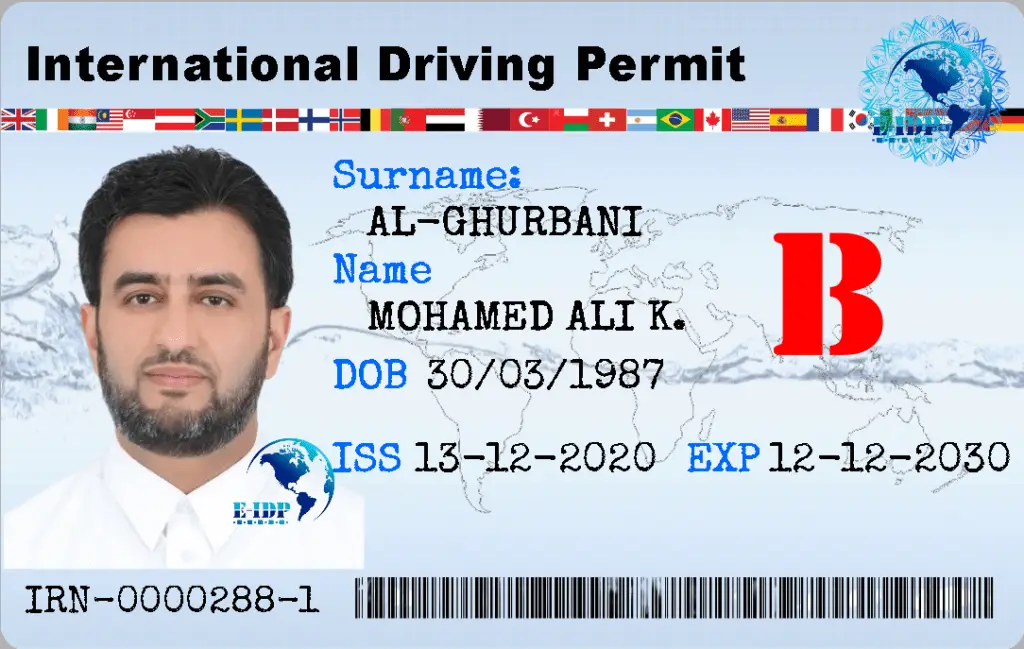
The process of obtaining an international driving permit directly from an office can be quite challenging and time-consuming. The payment methods involved can also be complex. Therefore, it is recommended to consider applying for an international driving permit. The application process only takes around 10 to 15 minutes online, making it a more efficient option for getting your international driving permit. Get An IDP For Your Next Journey.
The necessary details required for the application of an International driving permit include:
– Full Name
– Email & Phone Number
– Current Address
– Place of Birth
– National Driver’s License Number
– National Driver’s License Issued Date & Expiry Date
– Picture of Driver’s License & Your Head Shot Photo for Your IDP

Conclusion
Honduras rewards adventurous travelers willing to look beyond safety headlines with extraordinary diversity packed into one country. From the spectacular underwater world surrounding the Bay Islands to the artistic mastery of Copán’s Mayan sculptors, from cloud forest hiking to Garifuna cultural experiences, Honduras offers experiences that create lasting memories.
The country’s affordability means your budget stretches further, allowing more time to explore or splurging on activities like diving that might be prohibitively expensive elsewhere. While Honduras requires more awareness and caution than some destinations, informed travelers who choose destinations wisely and follow sensible safety practices discover a country of tremendous beauty, rich culture, and genuine hospitality.
Whether you’re getting dive certified in Utila’s backpacker scene, exploring intricate Mayan hieroglyphs at Copán, relaxing on West Bay’s stunning beach, or birdwatching around Lago de Yojoa, Honduras invites you to experience Central America’s hidden gem. Start planning your Honduran adventure and discover what makes this underrated destination so special for those who give it a chance.